
Did you know there are many disadvantages of dual SIM mobile phones? Dual SIM phones often experience increased battery consumption as they work harder to manage two networks. You may also encounter potential network issues, such as weak signals or interference, which can make staying connected a challenge. And these are just a few!
So, let’s dive into the details and understand the disadvantages of dual SIM mobile phones in 2025.
6 Disadvantages of Dual SIM Mobile Phones in 2025
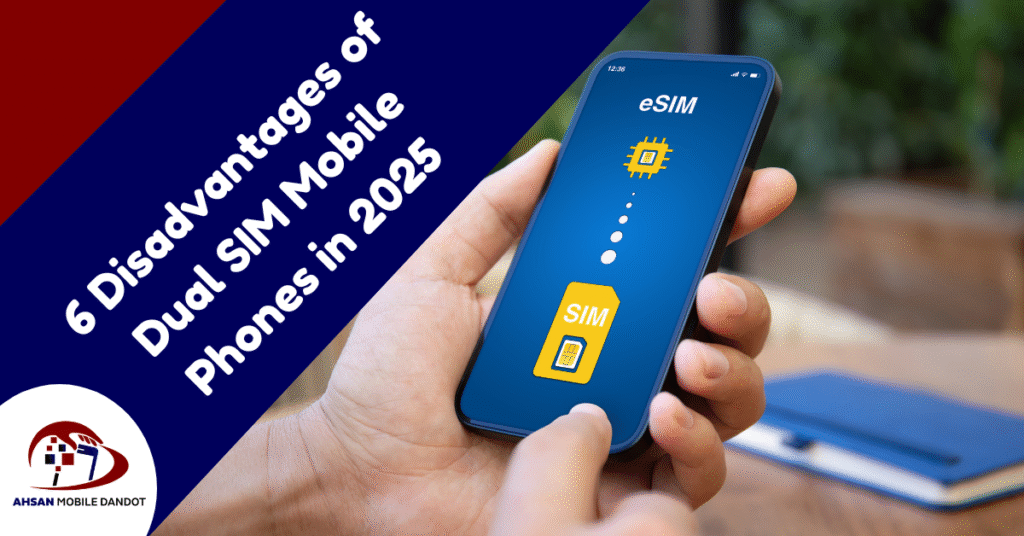
Before jumping into the disadvantages, we want to shed light on the growing popularity of dual SIM phones. According to Global Industry Analysts, the market for dual SIM devices was estimated at 1.8 billion units in 2023 and is expected to reach a staggering 4.6 billion by 2030, with a compound annual growth rate of 14.4%. This rapid growth highlights their global demand, especially in developing countries like Indonesia, India, and Egypt, where dual SIM phones are more common than single-SIM devices.
Now that we’ve set the stage, let’s explore the key disadvantages associated with dual SIM phones that no one tells you about.
1. Increased Battery Consumption
One of the major drawbacks of dual SIM phones is increased battery consumption. Operating two SIM cards at the same time requires the device to manage two networks concurrently, leading to higher power usage. For users who rely heavily on their phones, this could mean frequent recharging sessions throughout the day.
Imagine running out of battery during an important business call or when you are traveling and away from a power source. This can be really frustrating.
Yes, having the ability to charge your phone during the day could minimize the inconvenience, not everyone has access to a charger, especially for long periods. Over time, the constant need to charge could also lead to faster battery wear, impacting the lifespan of the device.
2. More Technical to Use
Dual SIM phones add a layer of complexity to everyday phone usage. This is clearly visible when users need to toggle between SIM cards for making calls or sending texts. At first, it might seem straightforward, but frequent switching could lead to mistakes or confusion. For example, users might forget to select the appropriate SIM for business communication and accidentally use their personal number, or vice versa.
This additional management might be manageable for tech-savvy individuals, but can become a hassle for those who prefer simpler devices or are less accustomed to technology.
3. Potential Temporary Deactivation with Older Models
Older models of dual SIM phones come with a significant limitation: using one SIM card can temporarily deactivate the other. For example, if you’re taking a personal call, a business call coming to your second SIM would automatically go to voicemail without any notification on your end. This can result in missed opportunities, delayed responses, and overall frustration.
Newer models have resolved this issue to some extent with advancements in dual SIM technology, allowing simultaneous access to both SIMs. However, these phones often come with a higher price tag, making them less accessible to users on tighter budgets.
4. Higher Costs
While dual SIM phones are often marketed as a cost-effective solution for separating personal and business communications, the reality can be more nuanced. Operating two SIMs comes with the potential for higher costs, as users may need to pay for two separate tariffs. These costs can quickly add up, particularly if you are using both numbers for extensive calling, data usage, or international communication.
Despite this additional expense, the ability to separate work and personal calls can provide peace of mind and better boundary management, which might outweigh the costs for some users.
5. Reduced Device Performance
Another issue with dual SIM phones, particularly budget-friendly options, is reduced overall performance. The extra workload of managing two SIM cards can strain the device, leading to slower speeds, lag, or system crashes. This is especially noticeable when performing tasks like web browsing, gaming, or multitasking on cheaper models that lack the advanced hardware to handle dual SIM functionality effectively.
Additionally, users may experience limited simultaneous functionality on older devices, where heavy reliance on one SIM may compromise access to the other. This performance degradation may not be as pronounced on high-end smartphones, but for budget-conscious consumers, it is a significant drawback to consider.
6. Usability Challenges
Dual SIM smartphones can pose usability challenges. For example, switching between SIM cards can be a confusing experience for users who frequently make calls or send messages. The constant need to monitor and manage which card is currently active adds complexity to an otherwise straightforward task, and mistakes such as sending messages from the wrong SIM can occur.
These challenges can be particularly frustrating for users who handle high levels of communication or rely heavily on both numbers for different purposes.
Also read: What is a Prepaid Mobile Phone?
Are Dual-SIM Phones Worth Buying?
After going through the disadvantages of dual SIM mobile phones, you might not bother to buy one. However, what if you get more advantages than disadvantages? Yes, that’s right! Dual SIM phones come with several benefits that can make life easier and more efficient. Here are the key advantages:
Improved Network Coverage
With two SIM cards from different network providers, you can significantly improve your network coverage. This helps reduce coverage blackspots and ensures you stay connected, especially with the widespread rollout of 5G technology. This guarantees faster speeds and more reliable service wherever you go.
Cost Savings Compared to Two Phones
Instead of investing in two separate phones for work and personal use, a dual SIM phone combines both into one device. This saves you money, as you won’t need to purchase, maintain, or upgrade two phones.
Convenience of Managing Work and Personal Numbers
A dual SIM phone eliminates the hassle of juggling two devices for work and personal use. You only need to carry and manage one phone, which saves time, effort, and money on maintenance like software updates and handling notifications on multiple devices.
Easier Expense Separation
Having separate numbers for business and personal use offers financial advantages. You can claim business-related phone expenses efficiently at the end of the year since you can keep business and personal calls easily separate on a dual SIM phone.
Cost-Effective International Calling
If you need to make international calls, dual SIM phones allow you to choose different providers for domestic and international calls. You can select one SIM card with the best local calling plan and another with cheaper international rates, allowing you to get the best deals for both situations.
Flexibility in Using Calls, Texts, and Data
Dual SIM phones provide flexibility for how you use your SIM cards. For instance, you can dedicate one SIM for unlimited calls and another for texts and data. This customization ensures you maximize the value of your phone plans with minimal cost.
Ability to Handle Multiple Calls
Many modern dual SIM phones allow you to take a call on one SIM while still receiving notifications of calls on the other. This makes it easier to avoid missing important business or personal calls, ensuring better communication and no lost opportunities.
Is it Better to have a Single SIM or a Dual SIM?
We’d say a dual SIM mobile phone has a clear advantage for most users. It offers flexibility and convenience that a single SIM simply can’t match. With a dual SIM phone, you can manage two numbers from one device, making it perfect for people who need to keep their work and personal lives separate. You no longer have to carry two phones or worry about switching SIMs.
One of the strongest reasons to choose a dual SIM phone is cost efficiency. You can use one SIM for affordable calls and another for a data plan with better internet rates. This way, you can optimize your expenses and get the best deals without being locked into a single plan. Unlike a single SIM phone, which limits you to one provider, a dual SIM lets you switch between networks for the best service as needed.
Another advantage is the ability to handle calls more effectively. Dual SIM phones ensure you don’t miss an important call. For example, while you’re on one line, you’ll still be notified of any incoming calls on the second SIM. This feature is especially valuable for business users who need to stay connected with clients while managing personal calls at the same time.
Closing Remarks
So, these were the six disadvantages of dual SIM mobile phones in 2025. However, the advantages of dual SIM phones still outweigh the disadvantages for many users. In addition, with advancements in technology, we can expect these issues to be addressed and improved upon in the near future.
Now, it’s up to you to decide if a dual SIM phone is the right choice for your needs. Consider your usage habits and priorities before making a decision.
Thank you for reading this blog post. We hope it has provided valuable insights into the world of dual SIM phones and their potential drawbacks.